Spring of The Blade Review (2026)
** A COMPREHENSIVE SPOILER FREE REVIEW**
Table of Contents
At a Glance

Title: Spring of The Blade
Chinese Title: Yi Ou Chun 一甌春
Genre: Historical, Romance, Family, Political
Network: iQIYI, Youku
Episodes: 30
Duration: 45 minutes per episode
Director: Pan An Zi
Screenwriters: Li Qiang
Original Novel: Yi Ou Chun by You Si Jie
Plot Density: 4 — Dense & Inventive
Romance Intensity: 3 — Genuine Heat
Comedy Level: 1 — No Comedy
Fan Ratinng: iQIYI (⭐9.7/10) Douban (⭐5.4/10)
Spring of The Blade Synopsis
As a child, Chen Yunya watched her mother die in a fire, a woman driven out of one of Hengtang's most powerful families on a murder charge she never committed. Years later, Yunya stages a curse, a fire and a perfectly timed reunion to walk back through the gates of the Xie residence as its long-lost Fourth Lady, Xie Qingyuan, with one goal in mind: find out who destroyed her mother and make every one of them pay.
Standing in her way is Yan Rui, an arrogant imperial official sent to Hengtang to handle disaster relief, who sees through her scheme almost immediately and seems far more interested in the Xie family than any honest official should be. What begins as a dangerous game between two schemers slowly becomes an alliance, and then something neither of them planned for.
Inside the Xie household, every wife, concubine and sister is hiding something, and the deeper Qingyuan digs, the more she realises her mother's death is tied to secrets far bigger than one family's jealousy. Outside it, a corrupt network of officials, noble families and imperial power players is bleeding Hengtang dry.
This is a revenge story about old blood debts, a family built on lies, and what it costs to tear down a cage you were born inside.
Spring of The Blade Cast
Xie Qingyuan's Family Relationships

Actor: Zhou Ye
Character: Chen Yunya/Xie Qingyuan
Role:Female lead/Fourth daughter

Actor: Huang Xiaojuan
Character: Old Madam Xie
Role:Qingyuan's paternal grandmother

Actor: Fu Dalong
Character: Xie Shu
Role:Qingyuan's father

Actor: Miao Pu
Character: Hu Wenzhou
Role:Xie Shu's first wife

Actor: Ke Ying
Character: Xie Qingrong
Role:Hu Wenzhou's daughter/Second lady

Actor: Zhang Yao
Character: Mei Yinghua
Role:Xie Shu's second wife/concubine

Actor: Wang Zuyi
Character: Xie Zhenglun
Role:Mei Yinghua's son/Eldest master

Actor: Zhang Bozhi
Character: Xie Zhengjun
Role:Mei Yinghua's son/Second master

Actor: Min Chun Xiao
Character: Lian Fanqiao
Role:Xie Shu's third wife/concubine
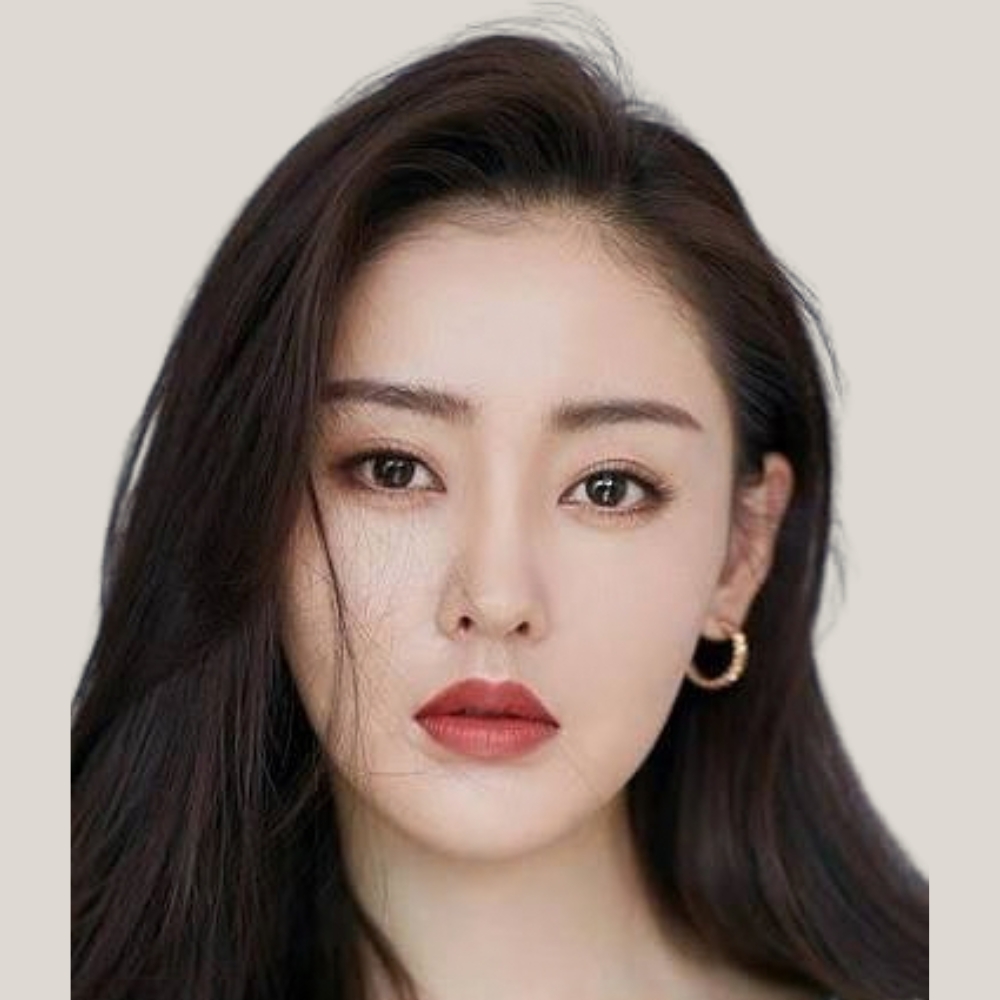
Actor: Zhang Tianai
Character: Xie Qinghe
Role:Lian Fanqiao daughter/Eldest lady

Actor: Joyin Cai
Character: Jin Chunqing
Role:Xie Shu's fourth wife/concubine/Qingyuan's mother

Actor: Wang Yunhan
Character: Xia Yingying
Role:Xie Shu's fifth wife/concubine

Actor: Estelle Chen
Character: Xie Qingrong
Role:Xia Yingying's daughter/Third lady
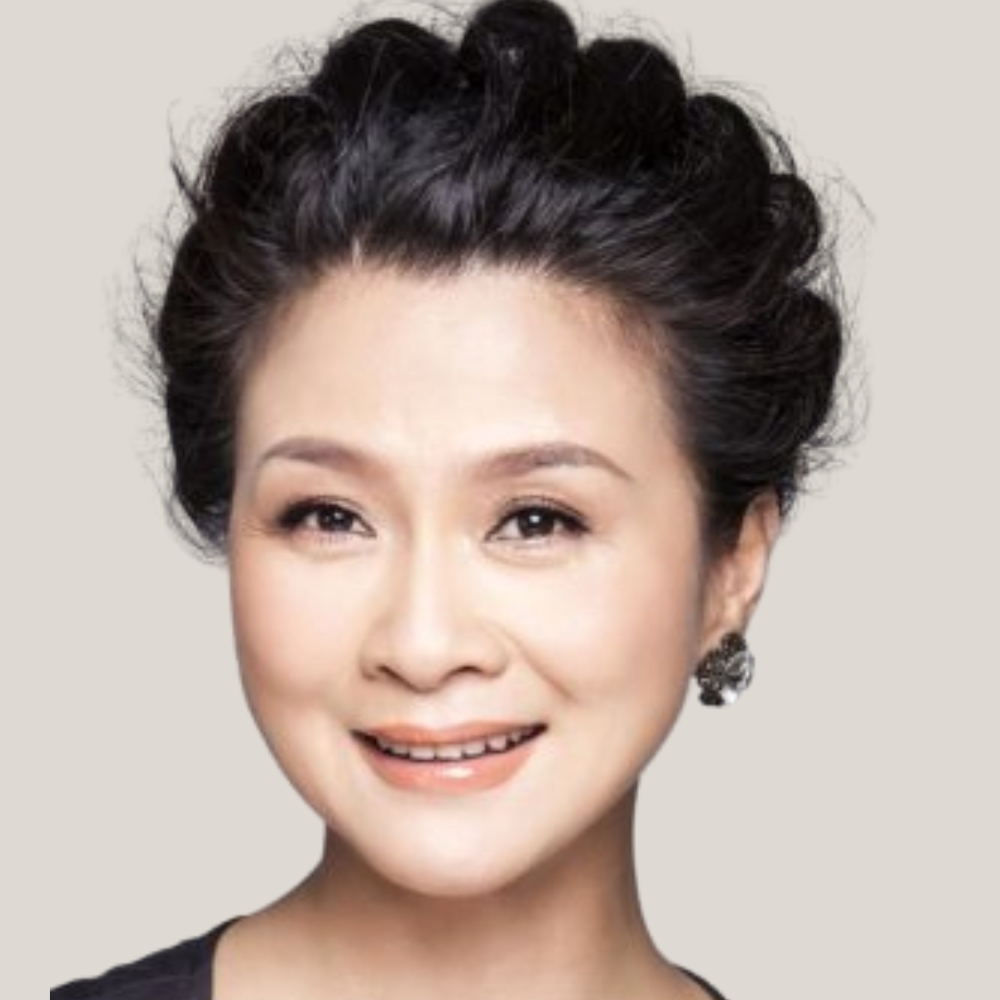
Actor: Mu Liyan
Character: Grandma Chen
Role:Chen Yunya's adopted grandmother
Yan Rui/Shen Run's Family and Friend Relationships

Actor: Xu Kai
Character: Yan Rui/Shen Run
Role:Male lead
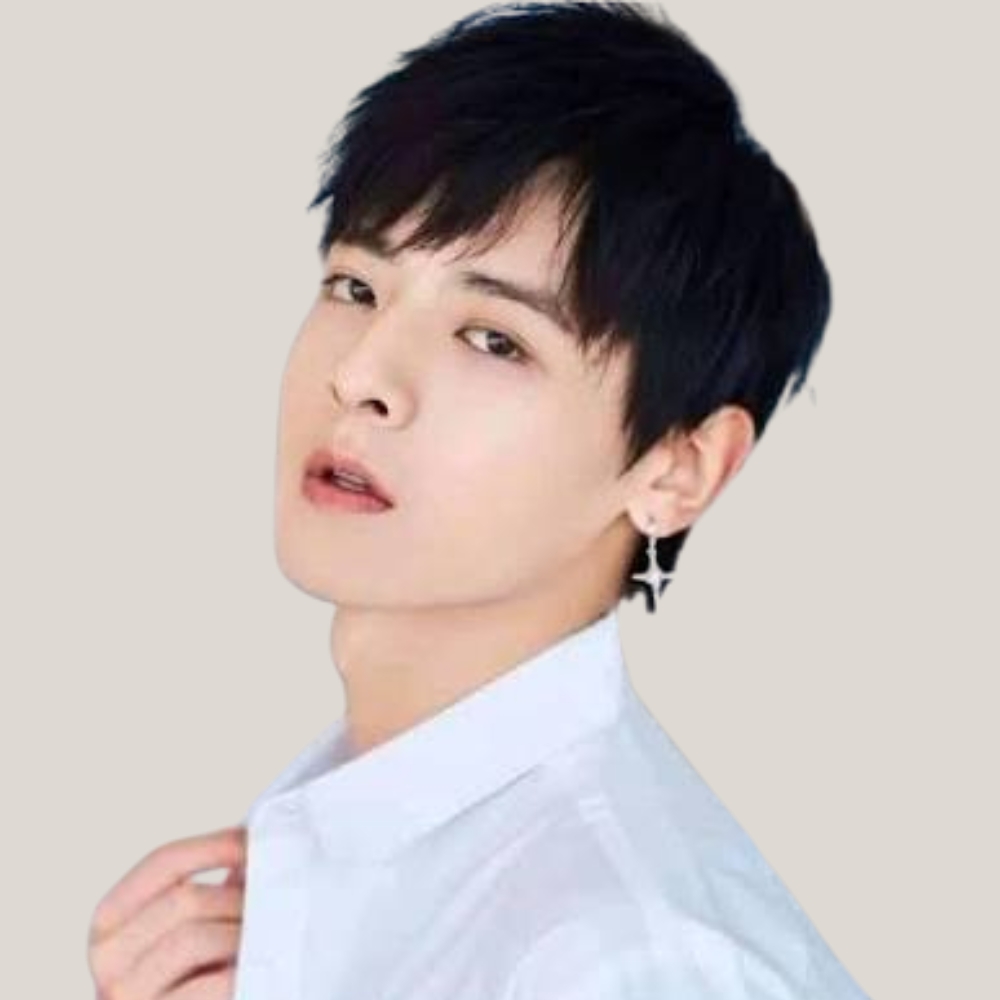
Actor: Bai Shu
Character: Shen Che
Role:Shen Run's brother

Actor: Hu Yunge
Character: Fan Zhong
Role:Shen Run's aide

Actor: Yang Qiyuan
Character: Dong Zicheng
Role:Shen Run's aide
Supporting Casts
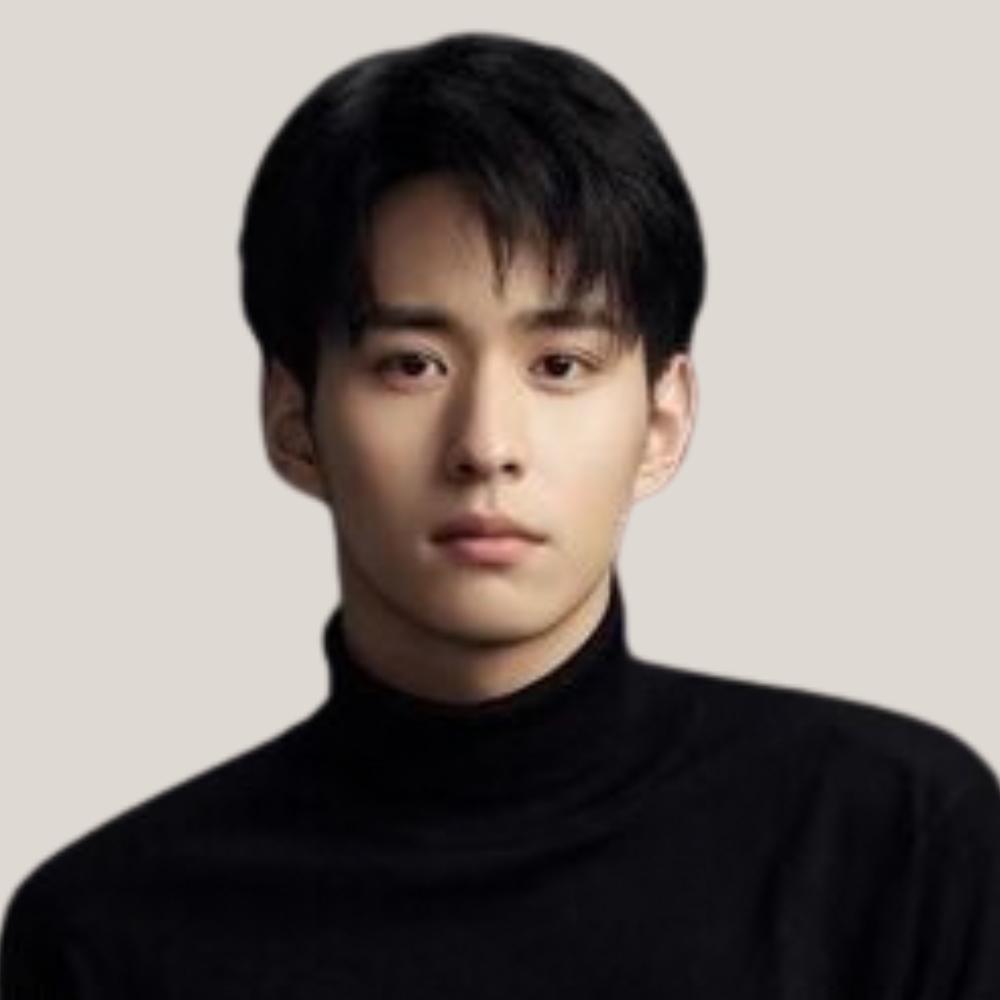
Actor: Xu Zhenxuan
Character: Li Congxin / Chun Zhi
Role: Marquis of Danyang heir

Actor: Hei Zi
Character: Li Shaoqun
Role: Marquis of Danyang/Li Congxin's father
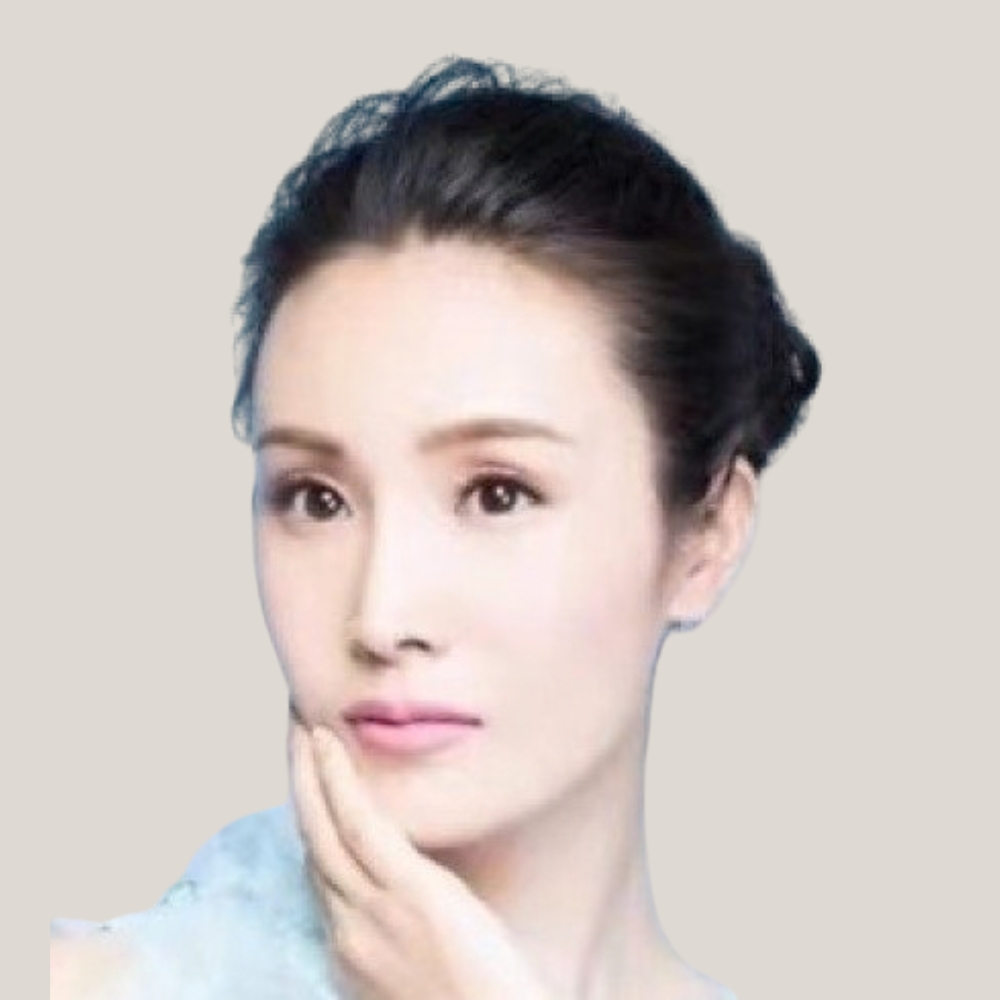
Actor: Song Xinjie
Character: Madam Li
Role: Marchioness of Danyang/Li Congxin's mother
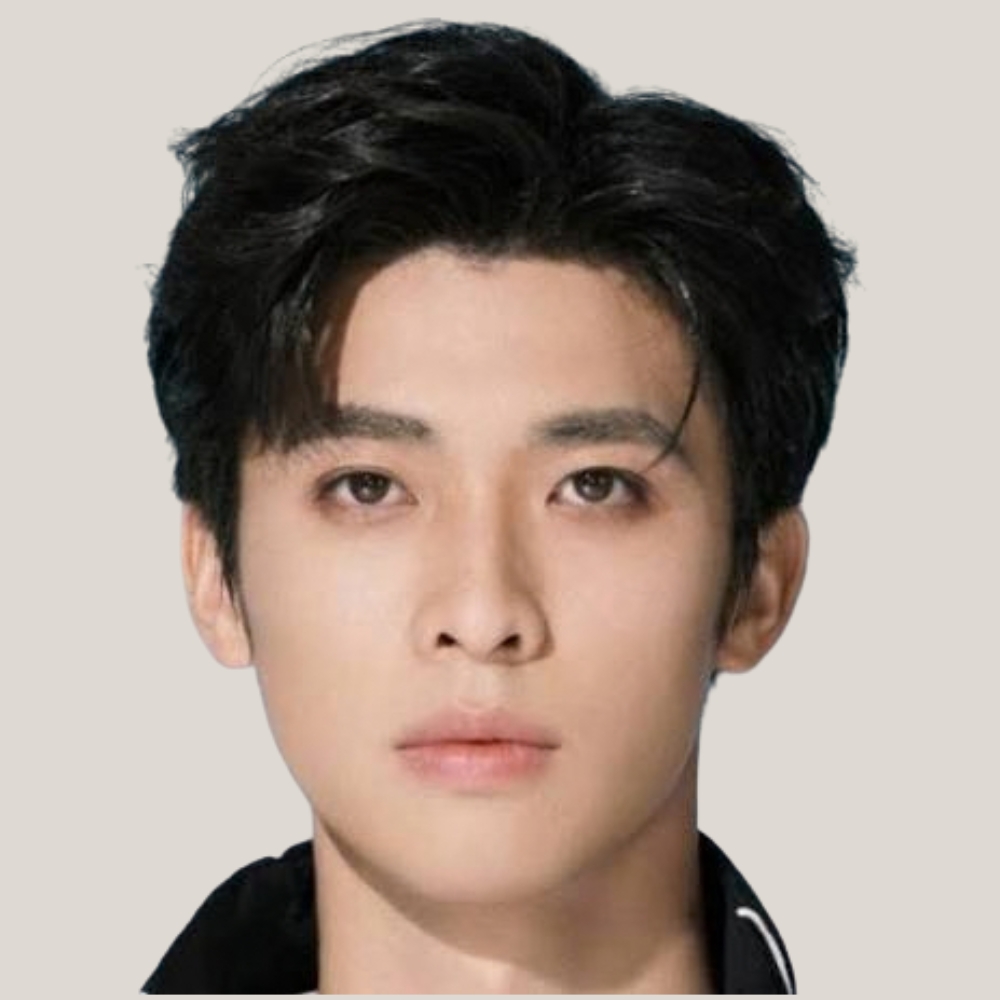
Actor: Ji Ran
Character: Pei Guanling / Lan Shan
Role: Founding Count's heir

Actor: Zhang Shuyan
Character: Madam Pei
Role: Pei Guanling's mother

Actor: He Ziming
Character: Wei Changyan
Role: Official
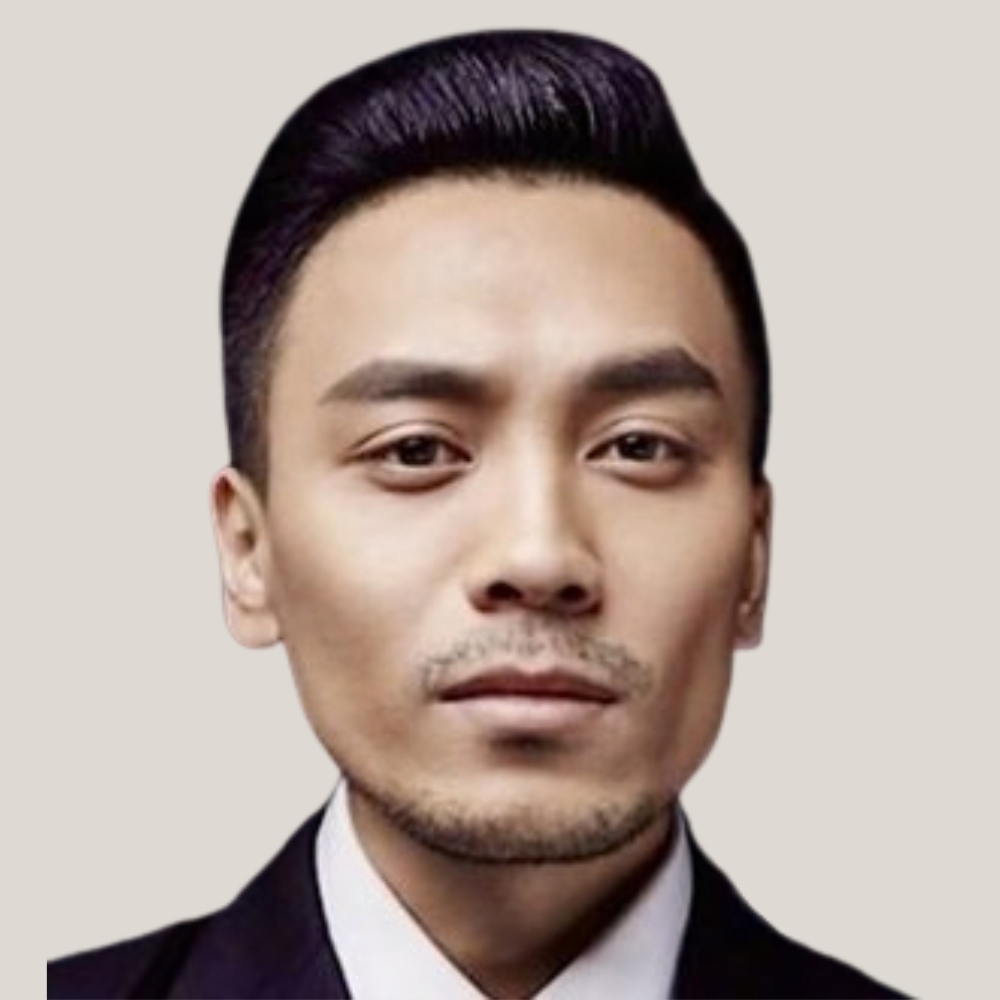
Actor: Yang Yi
Character: Guo Baofeng
Role: Official
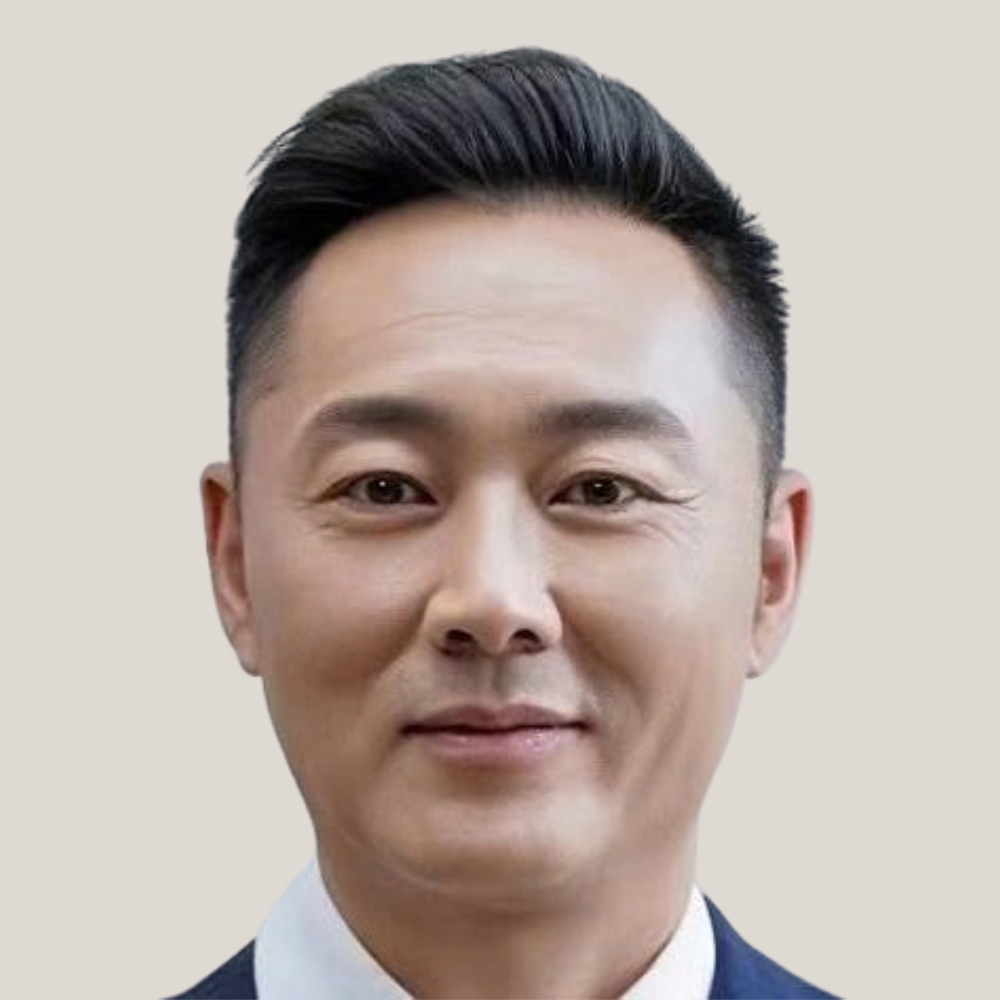
Actor: Shen Xiaohai
Character: Hu Xing
Role: Commissioner/Hu Wenzhou's brother
Spring of The Blade: Snapshot
Plot Density: 4 — Dense & Inventive
This show juggles two very different kinds of drama at once: the inner-household battles of the Xie mansion, where wives and concubines scheme against each other, and a state-level corruption plot involving disaster relief, noble families and imperial factions. Add plenty of secret identities and several twists that genuinely change how you see earlier episodes, and there is a lot to keep track of. It falls short of a 5 because the two halves never quite balance, and the final stretch repeats itself rather than building.
Romance Intensity: 3 — Genuine Heat
The chemistry between the leads is electric, built on sparring, coded conversations and a constant sense that neither of them is saying exactly what they mean. There is real kissing and real tension that pays off. But the romance sits inside a revenge story rather than leading it, and it never reaches sustained, all-consuming intensity.
Comedy Level: 1 — No Comedy
This drama is played completely straight. The banter between the leads is constant, but it's never meant to be funny. Every exchange is loaded with double meanings, veiled threats and power plays, and even the flirtation comes with an edge. With so many scenes built on intimidation and danger, there are no real comedic beats to speak of, so expect tension rather than laughs.
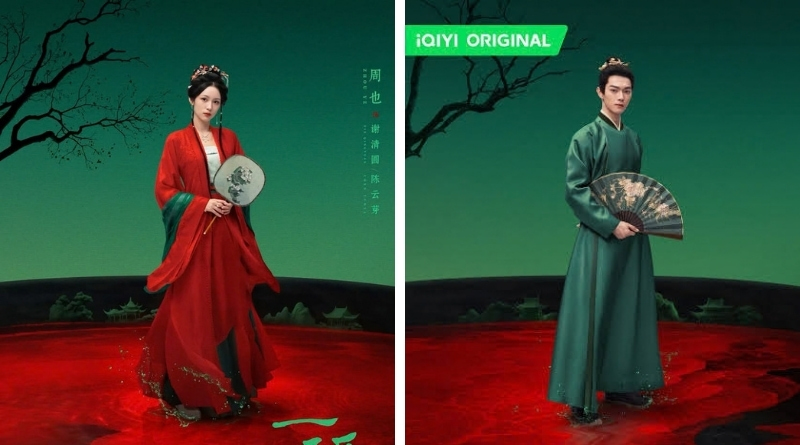
Spring of The Blade: Detailed Review
Standout Performances
Xu Kai is the reason to watch this drama, and at times he practically carries it. Yan Rui is sly, flirty, seemingly corrupt and irritating in exactly the right way, yet there is always something guarded underneath, and Xu Kai lets you sense that there is far more to this man than he's showing.
As the story peels back his layers, his presence, expressions and even the way he speaks shift with it, and the show cleverly changes how we see him through Qingyuan's eyes. His most emotional scenes in the back half are some of the best moments in the series.
Zhou Ye is more divisive, and I can see both sides. Her cold, calculating heroine works well in the early episodes, with subtle micro-expressions and voiceovers that let you feel the resentment simmering under her composure. But over thirty episodes, that indifference becomes one-note. In several moments that should have broken her open, the reactions felt too stiff and detached for me, and the show is at its best when she finally lets the mask slip.
Together, though, they are electric. Their chemistry is the biggest reason I stayed so invested, and it often holds tension that the plot itself fails to maintain.
The older generation of the Xie household is where this cast really shines. Fu Dalong, Miao Pu and Huang Xiaojuan play the patriarch, the head madam and the family matriarch, and all three bring real depth to characters who are never quite what they first appear. Without giving anything away, Miao Pu in particular delivers some of the strongest scenes in the entire drama in the back half, and you'll find yourself loathing and pitying these characters in equal measure.
The Storyline
The premise is excellent. A daughter infiltrating the family that destroyed her mother, using that family's own superstitions to get through the door, is a clever setup. What I loved most is that Qingyuan is never a passive heroine waiting to be rescued.
Both leads are genuinely capable and actively outsmart their opponents, and watching Qingyuan engineer scenario after scenario that quietly benefits her is genuinely satisfying. Watching her and Yan Rui go from scheming against each other to scheming together is the show's greatest pleasure.
The middle stretch is where it all comes together. Traps spring, secrets come out, the political and personal storylines finally connect, and there are several big "hell yes" moments that reward everyone who stuck with the slower early episodes. Up to around Episode 25, this is a gripping, well-built revenge drama.
The problems come from how the script balances its two halves. The court intrigue and corruption investigation are compelling, but they keep getting interrupted by long, repetitive squabbles inside the Xie mansion that feel petty by comparison.
The writing reportedly had a large team behind it, and you can feel it. The show often seems to be trying to satisfy too many genres at once. It also keeps some of its heaviest backstory at arm's length, relying on brief flashbacks rather than letting those tragedies anchor the emotional stakes.
The delivery doesn't always help either. The show likes to show you a result first and explain how it happened later, which works brilliantly once or twice but becomes a habit. Scene transitions can be choppy, and when characters are trying to outsmart each other, the dialogue leans so heavily on innuendo and riddles that some political conversations genuinely need a rewatch.
Romance Snapshot
This is an enemies to allies to lovers story built on suspicion, sparring and an old bond that runs deeper than either of them realises. The push and pull is delicious. He keeps trying to partner with her while she keeps her guard up, yet she finds herself relying on him again and again.
The near-touches and loaded eye contact create real heat, and the payoff is very satisfying when it finally comes. For the full breakdown, Sizzle Factor, Devotion Meter and the rest of the ratings, check out the dedicated Romance post.

Pacing & Payoff
The pacing is uneven. The first few episodes are fast and a little disjointed as the show crams in its world and characters, and it takes until around Episode 6 for the storytelling to properly settle. Episodes 13 to 24/25 are the strongest stretch by far, tightly paced and full of payoffs.
After that, the show loses momentum. Some major storylines that took a long time to build wrap up surprisingly quickly, while the final episodes lean heavily on flashbacks and slow, drawn-out reveals. It's a strange combination: big plot developments feel rushed, while individual scenes drag. A couple of the late episodes could easily have been condensed.
The biggest frustration is how little screen time the leads get in the closing episodes. For a drama whose central couple is its greatest strength, the final stretch shifts its focus elsewhere, and fans hoping for a fuller happily ever after may feel short-changed.
Cinematography & Visual Style
This is the show's biggest strength. It follows the recent wave of Song dynasty-inspired productions, with low-saturation colour palettes, natural lighting and soft, airy costumes that give the whole drama an immersive, cinematic quality. The on-location cinematography is stunning, and the early episodes in particular use lighting and staging to build a dark, high-stakes world that mirrors the trauma the leads are carrying.
The leads look great without the overdone makeup that so often plagues male leads in this genre, and the makeup team deserves credit for the injury and battle scenes too, which look raw and believable. A few of the later set pieces are genuinely gorgeous, and there is one sequence drenched in red that is among the most beautiful scenes I've seen in a period drama this year.
Music & Sound
The soundtrack is one of the most talked-about parts of the drama, and for good reason. The crown jewel is the theme song, A Bowl of Spring (一瓯春), performed by Zhou Shen. His ethereal, soaring vocals capture the bittersweet weight of the story perfectly, the grief the leads carry and the love that grows despite it, and it's easily one of the best historical drama theme songs of the season.
The rest of the soundtrack is strong too. Waiting (等) by Xiao A'Qi is a tender track that suits the slow-burn yearning between the leads beautifully, and it's no surprise it's become a fan favourite. Trajectory (轨迹) by Kang Ziqi gives the revenge sequences a sharp, dramatic edge, while Those Who Return Together (同归人) by Lu Zhuo is full of emotional depth. As standalone listening, this is an excellent OST.
Where it falls down is in how the music is used within the episodes. At the show's biggest moments, the score builds beautifully and amplifies everything you're feeling. But the songs are often mixed too loud, sometimes competing with the actors' voices in dialogue-heavy political scenes, which is the last thing a drama this cryptic needs when every line might hold a clue.
The OST is also leaned on a little too heavily over major plot moments, where the performances or a quieter background score could have carried the emotion on their own. Add some sloppy dubbing in the early episodes, and the audio doesn't quite match the quality of the visuals.
Secondary Characters
The supporting cast is one of this show's real strengths, and the Xie household in particular is packed with layered characters. Every wife and concubine has her own agenda, her own grievances and her own reasons for doing terrible things, and most of them get meaningful arcs.
Chunzhi is a highlight, and a refreshing one. He could easily have been a clichéd, toxic second lead, but Xu Zhenxuan plays him as a sincere, open-hearted green flag of a man. His rivalry with Yan Rui adds a different kind of tension to the love triangle, and he gets a genuinely moving arc in the back half that shows a completely different side to him.
Third Madam's quiet storyline is one of the most satisfying in the show, and the three Xie sisters, Qinghe, Qingru and Qingrong, each get journeys of their own.
Grandma Chen is the heart of the drama, a warm, loving presence in a show full of cold people, and the scenes at her tea house are some of the most comforting in the series. The Marquis of Danyang deserves a mention too, with He Zi bringing real dignity and gravitas to a character who could easily have been a side note.
Cultural Context
The drama is set in a world inspired by the Song Dynasty and the wealthy Jiangnan region. That era is remembered less for military conquest and more for refinement, art, literature and commerce, and you can feel it in the show's tea rituals and quiet household scheming. Even the Chinese title, Yi Ou Chun (一瓯春), meaning "A Bowl of Spring," is a classical poetic phrase for a cup of fine tea. It suits Qingyuan well: calm and graceful on the surface, with something much sharper underneath.
The story is built around two classic strands of Chinese period drama. The first is zhaidou (宅斗), the inner household battle, where birth status decides everything. That covers the ranking of wives and concubines, the power that comes with managing a family's accounts, and the value placed on sons.
Marriage is used as currency between noble families, so a good match can secure a whole branch of the family's future, and rivalry between sisters is about survival, not just jealousy. Hanging over all of it is the idea of "face" (面子), meaning reputation and social standing.
To a family like the Xies, a scandal is something to bury rather than an injustice to fix. That explains why the household seems so cold about the past, and why Qingyuan's search for the truth looks like a threat to them all. The second strand is court intrigue. Here it's a story about land, taxation, and how entrenched noble families resist change at the expense of ordinary people.
The show also weaves in plenty of traditional belief, from curses and lucky charms to sutras and spirit tablets. Qingyuan's use of the family's superstitions against them is one of the cleverest ideas in the show. It also fits her type.
She's a "black lotus" (黑莲花) heroine, the opposite of the traditional "white lotus," who is innocent, forgiving and helpless. A black lotus is clear-headed, strategic and willing to scheme to get what she wants. Yan Rui is just as calculating, which is why fans love the pairing as a match of equals. Neither of them expects the other to be purely good.

Warnings
This is a dark drama. Expect murder, poisoning, a massacre told in flashback, on-screen whippings, battlefield violence and executions. There are references to child abuse, and suicide is depicted on screen. The early episodes can feel disjointed, the dialogue is often cryptic, and the final episodes are slow, heavy on flashbacks and light on the main couple.
Compare & Contrast
Watch it if you love revenge dramas, high-budget cinematography and the Song dynasty aesthetic, and want to see a couple where both leads are genuinely capable. It also suits viewers who enjoy political storylines about corruption and reform alongside the romance.
Skip it if you're looking for a deeply emotional slow-burn romance that stays front and centre, a faithful novel adaptation, or a tightly paced political thriller that holds its momentum all the way to the end.
Final Verdict
Spring of the Blade had all the right ingredients. It's beautifully made, with a clever premise, a strong supporting ensemble, a central couple with real chemistry, and a male lead performance that carries it through its weaker stretches. The middle third is genuinely excellent, with some memorable scenes.
But it couldn't always put those ingredients together. The script never quite balances its household squabbles with its far more compelling political story, it keeps some of its heaviest material at a distance, and the final stretch rushes its resolutions while sidelining the couple that made the show worth watching.
It could have been a sharp revenge drama with a compelling romance woven through it. Instead, it often feels like a compelling romance trapped inside a revenge drama that slowly loses track of what it wants to be.
Still, I enjoyed it, especially up to around Episode 25, and the ending delivers a satisfying resolution to the story it set up. Not a bad drama at all, although I won’t be re-watching it. Just one that could have been so much better.
ilovecdrama.com Rating: ⭐7.5/10
Thanks for reading! Would love to hear your thoughts on this Spring of The Blade review. Comment below.