Against The Current Review (2026)
** A COMPREHENSIVE SPOILER FREE REVIEW**
Table of Contents
At a Glance

Title: Against The Current
Chinese Title: Lan Xiang Ru Gu , Orchid Fragrance Remains , The Story of Xiang Lan , 蘭香如故
Genre: Historical, Romance, Drama
Network: WeTV, Viki
Episodes: 47
Duration: 45 minutes per episode
Director: Huang Ying Xiang
Screenwriters: Tong Hua, Xiao Lou
Original Novel: Lan Xiang Yua" (兰香缘) by He Yan Shan (禾晏山)
Plot Density: 4 — Dense & Inventive
Romance Intensity: 2 — Warming Up
Comedy Level: 2 — Low (Witty)
Fan Ratings: Tencent Video (>33,000 Heat Index), Douban (⭐7.5/10)
Against The Current Synopsis
Shen Jialan is the cherished granddaughter of Grand Secretary Shen, raised in one of the most respected families in the realm and promised in marriage to Lin Jinqi, eldest grandson of the powerful Lin family. Then, in a single night, a treason charge wipes the Shen family out. The men are executed, the women are condemned to servitude, and Jialan survives only because a humble couple her mother once helped is willing to risk everything to save her.
To stay alive, she takes the name of their daughter, Xu Lanxiang, and the world believes Shen Jialan is dead. Years later, she enters the Lin household as a lowly maid. It is the same family that broke off her engagement to save itself, and she now serves the man she was once meant to marry.
Inside the Lin residence, one wrong step can mean a beating or being sold off. Lanxiang keeps her head down, hides how much she knows and quietly outthinks everyone around her. Jinqi has come home from years at war to a cold marriage and a household full of schemes, and he slowly starts to notice that this particular maid sees far more than she lets on.
This is a story about survival rather than revenge. It's about what it takes to live well when fate has taken everything from you, and about the women who hold each other up in a world built to keep them small.
Against The Current Cast
Xu Lanxiang's Family and Friend Relationships

Actor: Tan Songyun
Character: Xu Lanxiang / Shen Jialan
Role:Female lead

Actor: Chen Chuang
Character: Xu Wanquan
Role:Lanxiang's adopted father
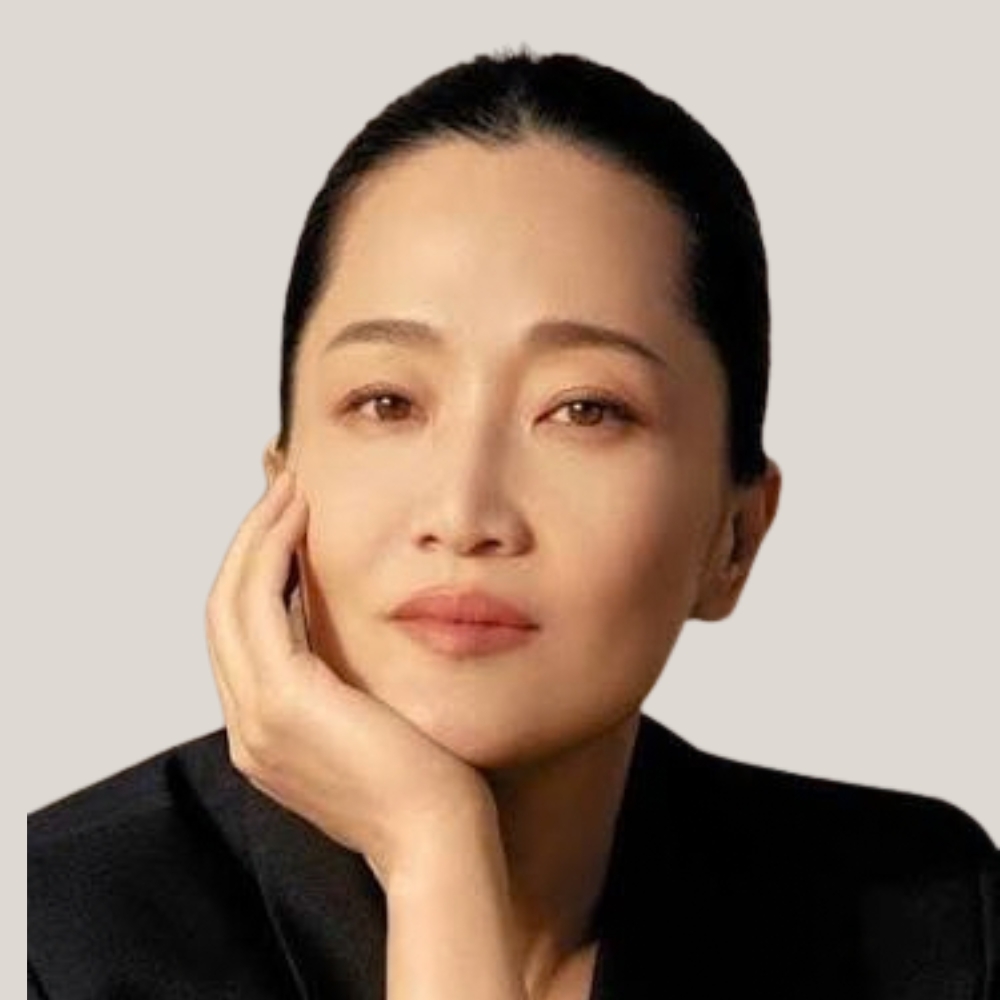
Actor: Guo Keyu
Character: Xu Guihua
Role:Lanxiang's adopted mother

Actor: Niu Junfeng
Character: Han Liang
Role:Scholar / Neighbour

Actor: Su Ke
Character:Lu Zhongbai / Lu Xie
Role:Scholar / Shop Owner
Lin Jinqi's Family and Friend Relationships

Actor: Liu Xueyi
Character: Jin Jinqi
Role:Male lead / Eldest master

Actor: Hou Changrong
Character: Old Master Lin
Role:Jinqi's grandfather

Actor: Kong Lingmei
Character: Qin Shunhua / First Madam
Role:Jinqi's mother

Actor: Liu Jiaxi
Character: Lin Xieshu
Role:Qin Shunhua daughter / Jinqi's sister

Actor: Guo Jianan
Character: Lin Jinlan
Role:Second master / Jinqi's half brother

Actor: Wu Tianqi
Character: Tan Shu
Role:Xie Jinlan's wife

Actor: Zhao Qin
Character: Wang Lingxiao
Role:Jinqi's 2nd aunt

Actor: Wang Jiaxuan
Character: Lin Jinqiao
Role:Wang Lingxiao's son / Third master
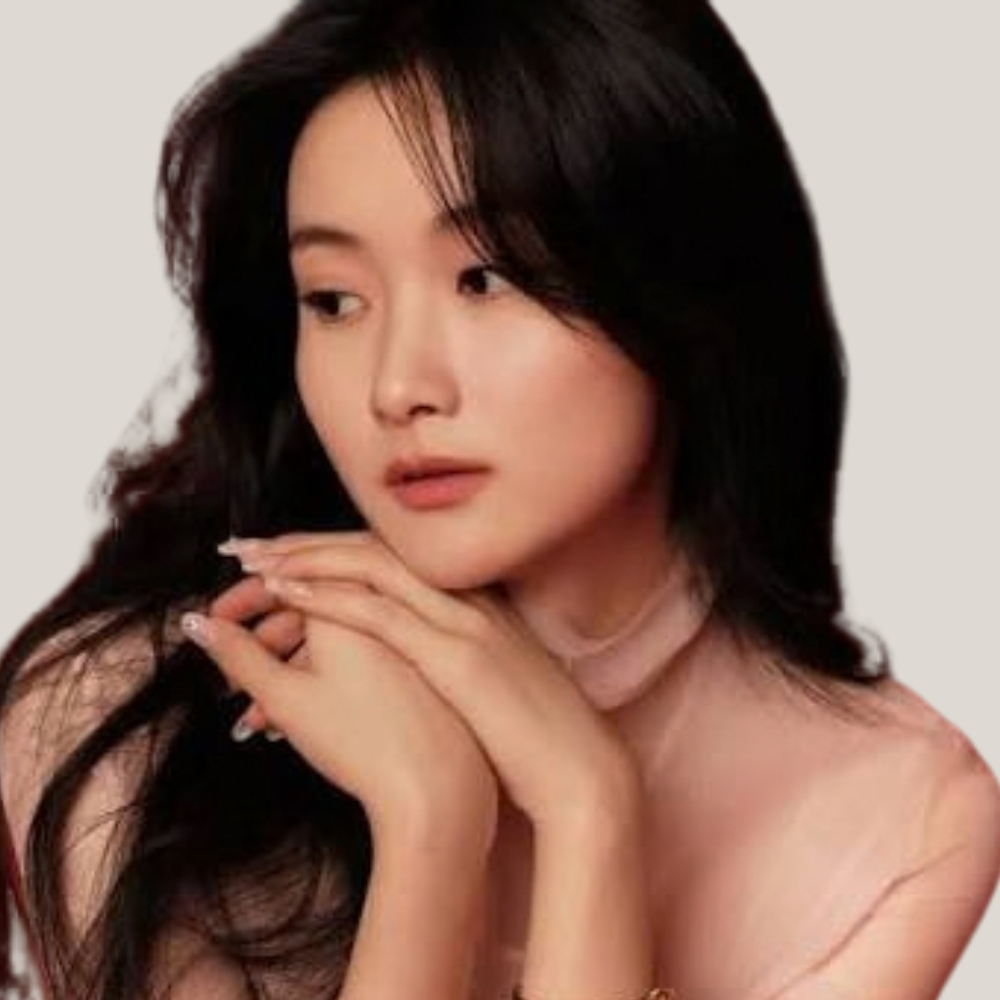
Actor: Fang Yueqiao
Character: Cheng Fengxian
Role:Jinqiao's wife
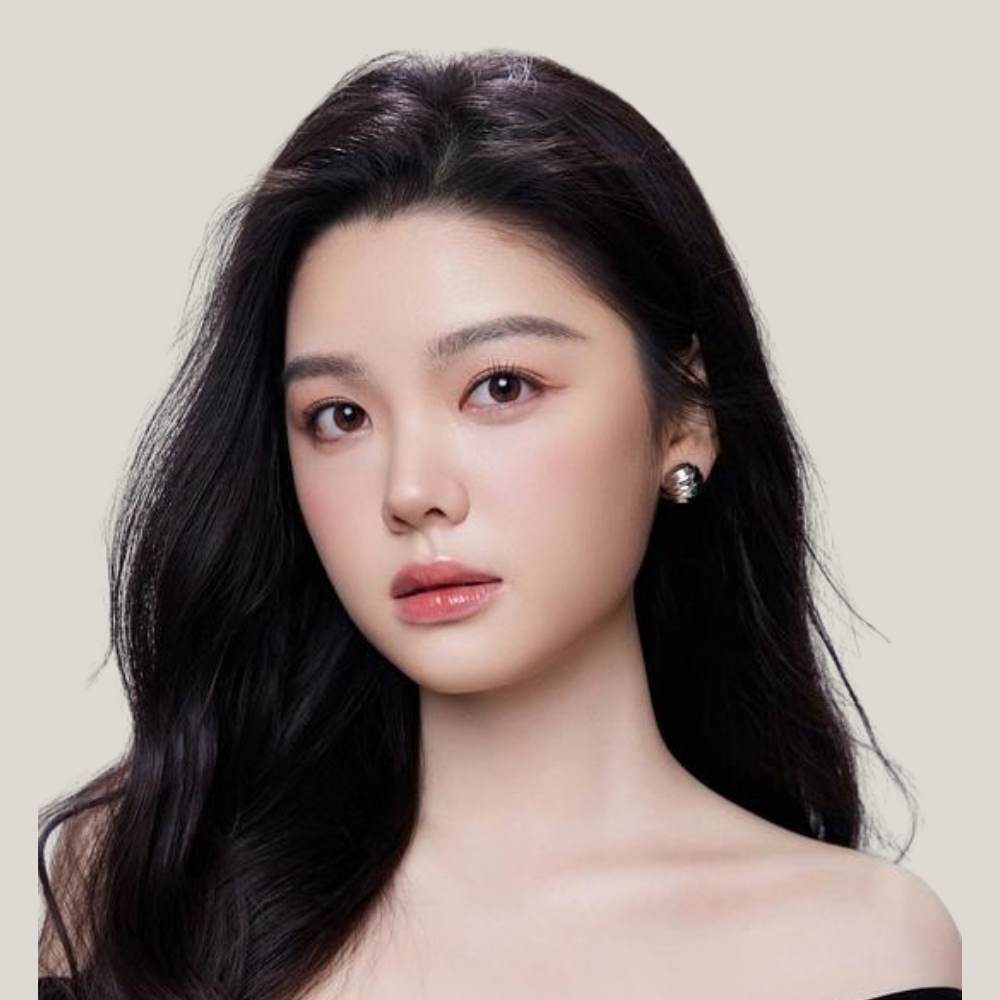
Actor: Wu Tiantian
Character: Lin Xiuwan
Role:Wang Lingxiao's daughter / Second lady

Actor: Pu Tao
Character: Lin Xiulai
Role:Jinqi's half sister / Eldest lady

Actor: Ma Fanding
Character: Lin Xiuru
Role:Jinqi's half sister / Third lady
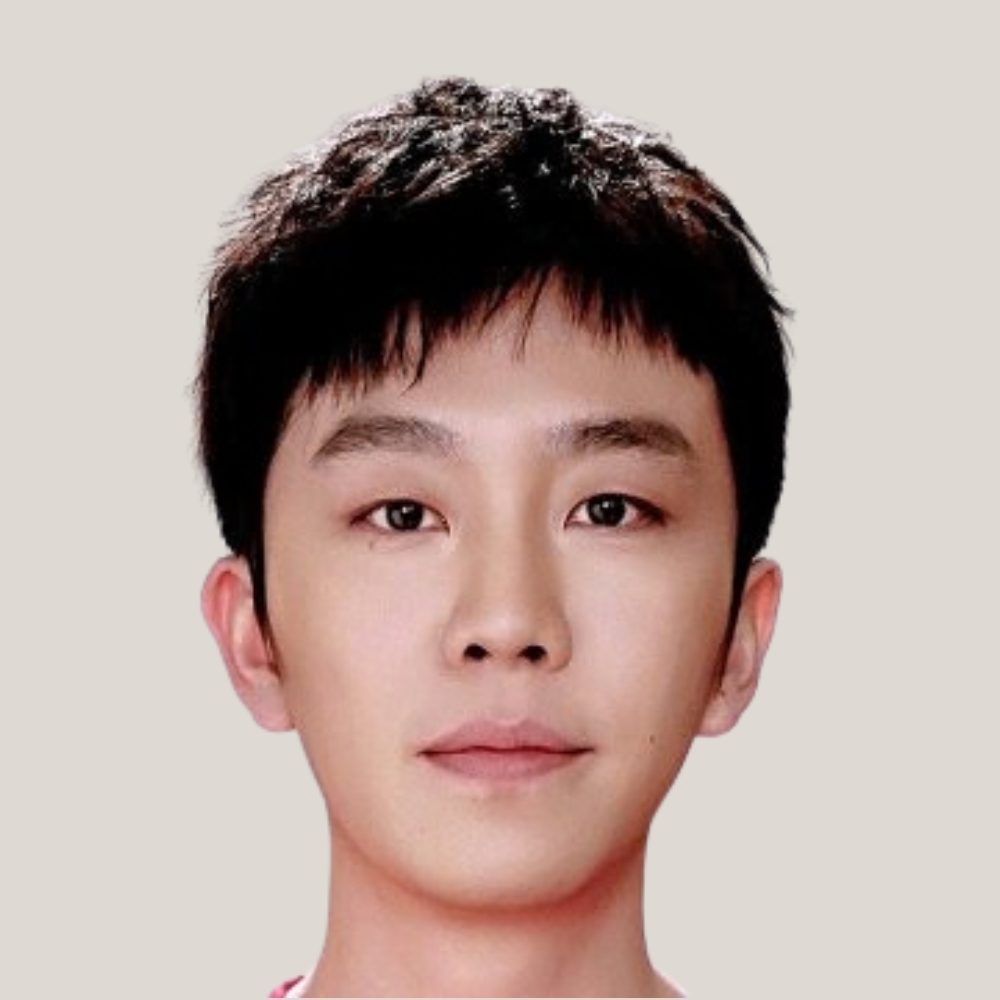
Actor: He Peng
Character: Yuan Shaohui
Role:Marquis Yuan / Xiuru's husband

Actor: Li Meng
Character: Zhao Xingtang
Role:Jinqi's first wife

Actor: Ye Xiaowei
Character: Du Zheng
Role:Jinqi's friend

Actor: Zheng Hehui
Character: Du Cuique
Role:Du Zheng's sister
Lin Residence Staff and Supporting Cast

Actor: Ye Qing
Character: Yu Chan
Role: Jinqi's first rank maid
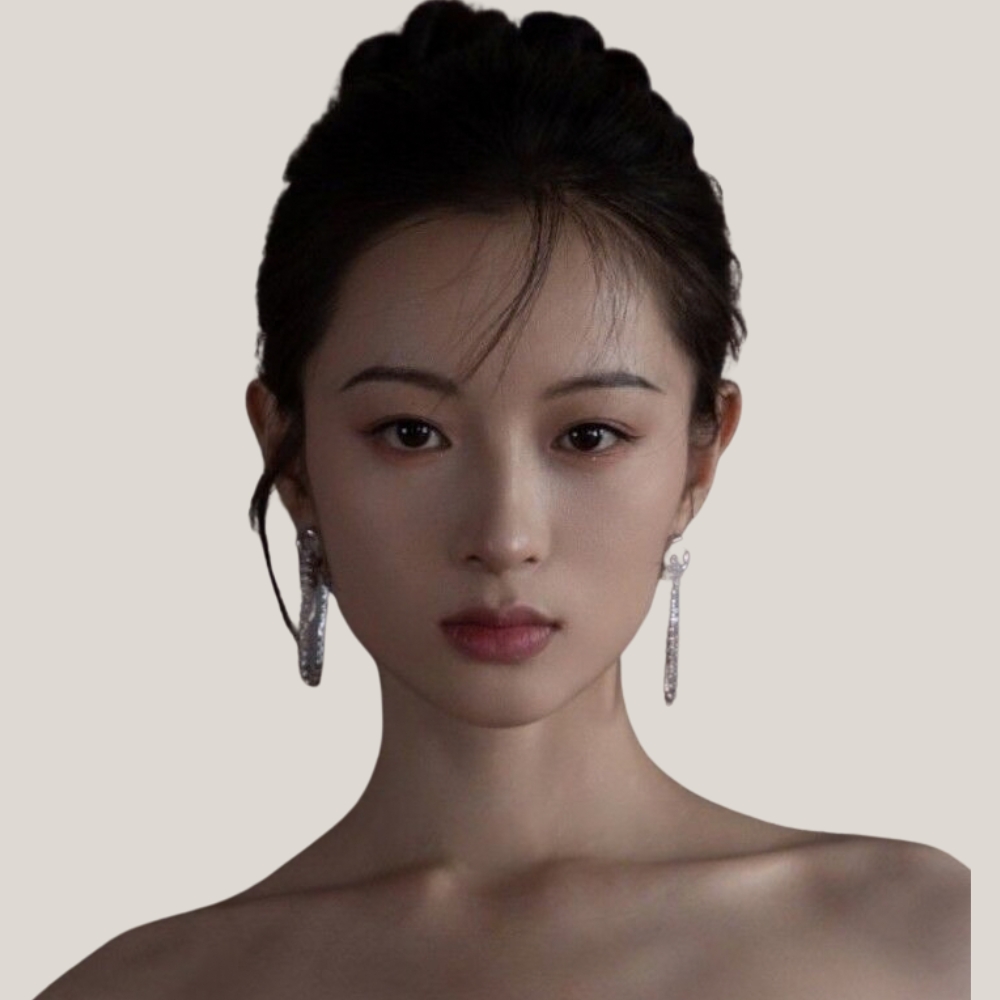
Actor: Li Jiaxin
Character: Zhou Gantang
Role: Jinqi's second rank maid

Actor: Amber Song
Character: Xiao Lian
Role: Jinqi's second rank maid

Actor: Tang Mengjia
Character: Bao Gai
Role: Jinqi's second rank maid

Actor: Liu Meihan
Character: Ji'er
Role: Jinqi's third rank maid
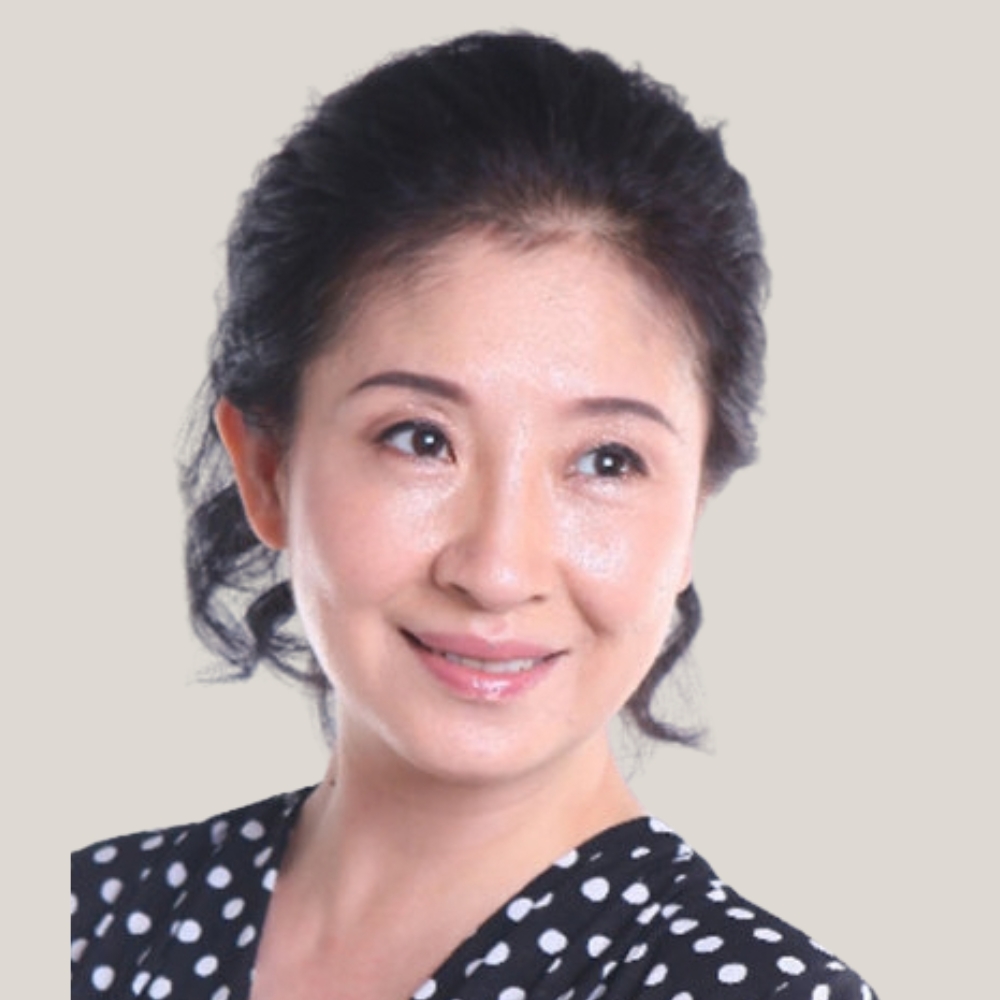
Actor: Hong Hua
Character: Wu Suaner
Role: Madame Qin's head housekeeper

Actor: Pan Yihong
Character: Jiu Gao
Role: Wu Suaner's son / Jinqi's attendant
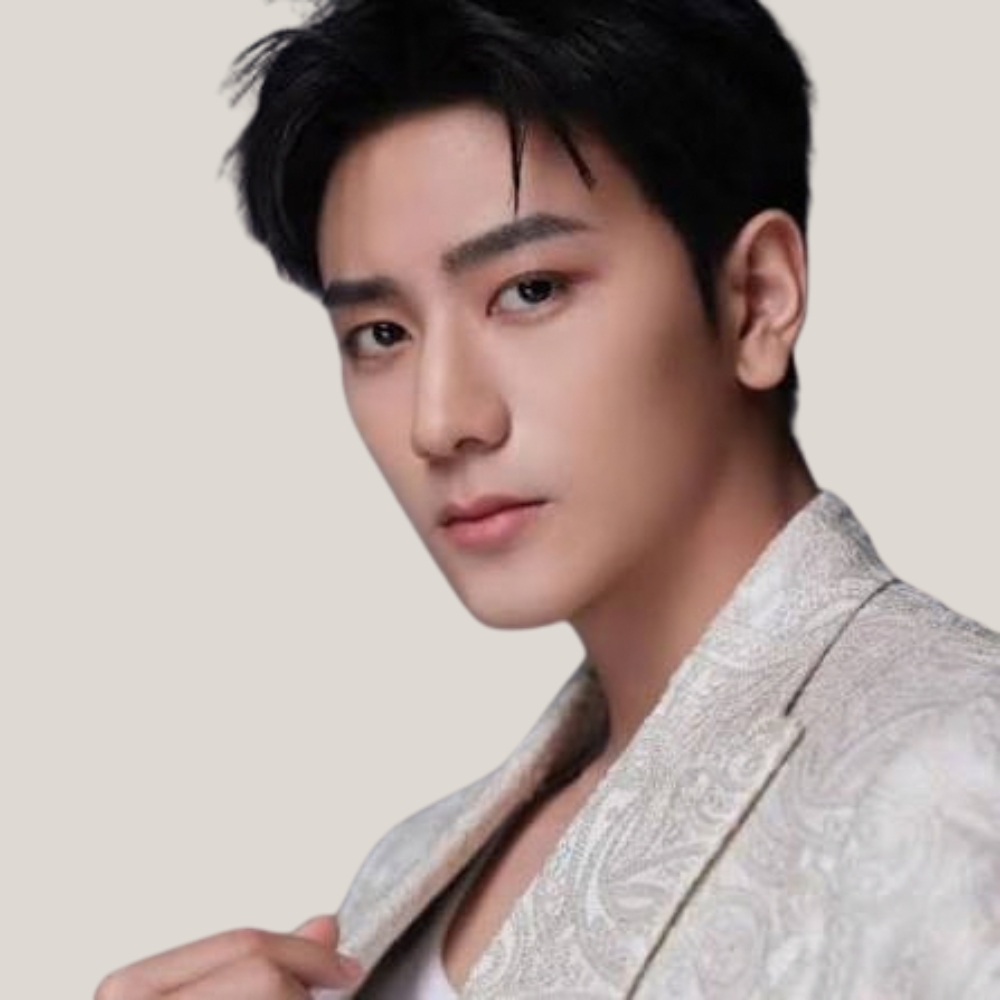
Actor: Wang Hongxin
Character: Nan Ke
Role: Jinqi's attendant
Against The Current: Snapshot
Plot Density: 4 — Dense & Inventive
This drama juggles a lot. There is the inner household world of wives, concubines, maids and stewards, there are court politics involving smuggling, rebellions and imperial succession, and running underneath it all is a heroine living under a borrowed name. What impressed me most is that it never feels confusing.
Plots stretch across several episodes without overlapping or rushing, and every scheme connects back to a larger picture. It takes real swings with its structure too, especially in the back half, where whole arcs are told through symbolism and time skips.
Romance Intensity: 2 — Warming Up
Don't let the number fool you. The love in this drama runs incredibly deep, but it has nothing to do with heat or sensuality. This is a romance built on relentless pursuit, patience, restraint and devotion. He falls first and he falls hard, and for a long time his love is far greater than hers.
Watching him wait, give and keep choosing her, year after year, is what makes it so moving. Anyone hoping for sizzling chemistry or frequent kissing will be waiting a very long time, but if quiet, steadfast devotion is your thing, this is one of the most beautiful love stories of the year. Full details are in the Romance post.
Comedy Level: 2 — Low (Witty)
This is a serious drama, and its heaviest moments are truly brutal. But it knows when to let us breathe. Most of the humour comes from the characters themselves: loyal bodyguards who take their master's words a little too literally, well-meant plans that backfire spectacularly, and a proud male lead who becomes surprisingly funny once his feelings start getting the better of him. The laughs are light and character driven, and they never undercut the stakes.

Against The Current: Detailed Review
Standout Performances
Tan Songyun is the quiet engine of this drama. Lanxiang is stoic, reserved and careful, and that kind of character is easy to play flat. Tan Songyun never does. She carries the grief of a girl who lost everything, the fear of a servant who knows exactly what one mistake will cost her, and the sharp intelligence she has to keep hidden. She has divided some viewers, but I think she's fantastic. Her range has always been wonderful but in all the roles I have seen her in, I truly believe this was made for her. She absolutely smashed it.
Liu Xueyi is the master of shifting emotion through the most subtle facial expressions. Jinqi starts out as a stoic, formidable military man carrying immense responsibility. Over 47 episodes, we watch him become jealous, lovestruck, guilty, proud and utterly devoted, often without a word of dialogue. You can feel everything he feels. He is one of the best male lead performances I've seen this year.
Li Meng steals every scene she's in as Zhao Xingtang. She plays nasty to perfection, but Xingtang is never just a villain. She's a woman trapped in a marriage she never wanted, treated by her own family as a political bargaining chip, and determined to survive the only way she knows how.
Making her illiterate was a brilliant writing choice. Even when she has the means to enrich herself, she still has to rely on someone else for every piece of paperwork. She is the perfect bird in a golden cage. I disliked her and pitied her in equal measure, and that is exactly the point.
Zheng Hehuizi deserves a special mention for one of the most chilling villain performances of the season. Without giving anything away, watching her character's mask slip is something else entirely.
The Storyline
This is a mature drama that treats its audience with respect. My brain cells did not decay while watching it. The world-building feels authentic, grounded and logical, and actions have real consequences. You never have to switch off your common sense to believe what's happening.
What I loved most is that this isn't a revenge story. Lanxiang's goal is simply to survive and live well. She doesn't do the brash, outlandish things that would realistically get a servant killed in ancient times. She watches, she waits, and she solves problems before anyone else even realises there's a problem. Watching her quietly save the day again and again, and seeing the people around her slowly realise how sharp she is, never got old.
At its heart, this is a story about how often women had no say in the decisions that shaped their lives, yet still had to live with the consequences of decisions made by men. It explores how they survive, and then how they learn to thrive. The drama keeps its victories realistic.
You don't always get everything you wanted, but you're satisfied with what you were able to achieve. At times it was sad to watch women use the vulnerabilities of being a woman against each other, but that added real depth. Nobody here is simply good or bad. People are complicated, and the show judges them individually.
My one wish is that we saw more of Lanxiang herself. She is the heart and brains of the story, but she often acts as its storyteller, the person who shows us what other people are struggling with and brings the solution.
Many of the turning points in her own life happen during time skips or are resolved in a single scene. We see the outcome without seeing the development. Her situation is so complex, inside and out, that I craved more focus on her as an individual.
The later episodes also fall into a recognisable pattern: a household or political crisis arrives, Lanxiang works it out, and Jinqi backs her up. It's still enjoyable, just less surprising than the first half.
Romance Snapshot
This is a slow burn in the truest sense. The leads barely interact for the first ten episodes, and the romance develops gradually in the background without ever overshadowing the themes of family, survival and hierarchy. His interest grows from curiosity into quiet admiration, and then into a love so steady and so patient that it becomes the emotional backbone of the drama.
It is also lopsided. For most of the story, his love is far deeper than hers, and the way he first goes about winning her isn't always fair. The show doesn't let him off the hook for it. What follows is a long road of relentless pursuit, restraint and devotion, as he learns that loving her means respecting her.
Hopeless romantics hoping for a sweeping, passionate love story may find it cool, but I found its realism deeply rewarding. For the full breakdown, Sizzle Factor, Devotion Meter and the rest of the ratings, check out the dedicated Romance post.

Pacing & Payoff
The pacing is slower than most period dramas, especially early on, but it is beautifully balanced. Plots are given room to breathe and never overlap or rush, so the story is very easy to follow. By the middle of the drama, every episode felt like it was only ten minutes long, and I was always surprised to find it already over.
There are a few weaker patches. One episode around the midpoint spends too long on a side plot at the expense of the leads, and the back half relies heavily on time skips. Only one episode truly tripped me up. It jumps so far, so quickly, and leans so heavily on symbolism that I was confused on my first watch.
When I rewatched it, though, it felt like a completely different episode, packed with meaning I had missed. It's the one time the drama asked me to slow down and pay close attention to props, metaphors and unspoken expressions, and it was worth it.
Even at 47 episodes, it never felt like it was dragging for no reason. I was nowhere near ready for it to end.
Cinematography & Visual Style
This is a gorgeous drama that looks more like a film than a TV series. Instead of the bright, glossy look of most period dramas, it uses soft, muted colours that feel almost like a painting. The Lin residence is full of shadows and deep browns, which makes it feel as closed in and dangerous as it really is for the people serving there.
The lighting is beautiful too. Many night scenes are lit only by candles and lanterns, and when Lanxiang is quietly planning her next move, she is often half in shadow, which suits a woman hiding who she really is.
I loved how often the women are filmed through doorways, windows and carved screens, as if they're trapped inside a beautiful cage. As the story goes on, the camera starts to rise above the courtyard walls, as though they're finally seeing beyond them.
The camera is patient too. Long, slow tracking shots follow the maids down winding corridors, letting the heavy stillness of the household sink in, so that when violence or a crisis finally breaks through, it hits so much harder. And because these characters have to hide their feelings behind perfect etiquette, the close-ups do the talking: a tremor in Lanxiang's fingers or a tightening in Jinqi's jaw says more than any line of dialogue.
Then there are the aerial shots, some of the most beautiful I've seen this year: sampan boats drifting past bright green chrysanthemum fields, snow-covered courtyards seen through the trees, and one shot of two processions heading in opposite directions that tells an entire story without a single word.
The winter episodes are stunning, beautiful and treacherous at the same time. The costumes quietly tell their own story too, with even the maids' clothing changing as their circumstances change. The fight scenes are well choreographed, from slow-motion clashes in a forest to battles in the snow.
Music & Sound
The theme song, The Grand Dream Returns (大梦归), is sung by Zhou Shen, and his haunting vocals capture the fall of the Shen family perfectly. It begins as the sound of a lost noble childhood and builds into something closer to an anthem of survival than a lament. The ending theme, Against the Current (兰香如故), is sung by Ye Xuanqing.
Beyond those, On the Same Path has become a fan favourite, and it's almost impossible to listen to without tearing up once you know the scenes it plays over. Yisa Yu's Center of Time is another highlight, and the leads also recorded their own versions of tracks, including Liu Xueyi's 花开满篱院. Hearing Tan Songyun's voice drift through a song during a quiet family moment late in the series was a lovely touch.
The score is mostly well placed, swelling at exactly the right moments and staying subdued during the heavier scenes. A couple of early episodes lean on the OST harder than they need to, but it never competes with the drama the way some soundtracks do.
Secondary Characters
The supporting cast is one of this drama's greatest strengths. These characters feel like real people trapped inside the feudal system, not plot devices.
The sisterhood among the maids is precious. Yuchan, Gantang, Xiaolian, Baogai and Ji'er look out for one another like family, and watching them realise that capability might earn them real choices was some of the most hopeful storytelling in the show. Jiugao and Yuchan also make a delightful second couple.
The Lin siblings are a refreshing change from the usual infighting. Despite being born to different mothers and concubines, they genuinely care for one another and understand that the sins of the older generation aren't theirs. Xiuru's quiet transformation from a timid girl into a strong, decisive woman is one of the most rewarding arcs in the drama.
Xiuwan starts out spoiled and oblivious, then grows into a woman who refuses to rely on a man just to survive, without ever losing her spark. Xiulai's journey is beautifully done, and Jinlan, the frail younger brother, is a quiet gem.
Han Liang is a total green flag, smart, caring and talented, and it's no wonder Jinqi finds him so irritating. Nanke and Jiugao are fiercely loyal, and Nanke in particular gets some of the most moving moments in the show. Lanxiang's adoptive parents are the warm heart of the story, and Guo Keyu is wonderful as her mother, Xu Guihua.
There are irritants too. Second Aunt and Fengxian are petty, selfish and endlessly frustrating, which is exactly what makes them work.
Cultural Context
The drama is set in a fictional dynasty, but it closely mirrors the early Ming Dynasty. The destruction of the Shen family echoes one of the most brutal political purges in Chinese history, the execution of the Confucian scholar Fang Xiaoru by the Yongle Emperor.
Treason was traditionally punished by executing nine degrees of a family. For Fang Xiaoru, the emperor is said to have added a tenth, wiping out his students and peers as well. Knowing this explains why Lanxiang's survival feels so heavy. She isn't just living for herself. She is the last living memory of an entire family.
Unlike many period dramas, where maids sass their masters with few consequences, this one shows the grim reality of the class system. Low-ranking servants were legally considered jianmin, or "base people," and were effectively property. Lanxiang's stoicism, bowed head and constant caution aren't coldness. They're historically accurate survival tactics in a world where a single misstep could mean being beaten to death or sold to a brothel.
At the core of the story is the idea of "living well despite adversity." Western stories often celebrate open rebellion or explosive revenge. Lanxiang's approach is rooted in endurance. She accepts her reality, humbles herself to the very bottom of the social ladder and keeps her integrity intact. In this cultural context, surviving well and staying true to yourself is the ultimate victory over those who tried to erase you.

Warnings
This is a dark drama in places. Expect a family massacre, suicide by poison (including a child), executions, battlefield violence, kidnapping, a brothel storyline, domestic abuse and forced marriage. There is also a drugging scene. Some viewers will find the time skips in the back half jarring, and the romance is slow and one-sided for a long time.
Compare & Contrast
Watch it if you love historical dramas that respect your intelligence, stories about sisterhood and female resilience, heroines who win with their minds rather than luck, and a mature slow-burn romance that stays in the background. It also suits viewers who enjoy household politics with real consequences and a touch of court intrigue.
Skip it if you want a fast-paced revenge thriller, a romance with plenty of sweetness and skinship from early on, or a heroine whose own inner journey sits front and centre.
Final Verdict
Against the Current is a mature, beautifully made historical drama that holds you from the very first episode and layers its story slowly and tightly. It's a compelling tale of survival, family, hierarchy and sisterhood, with a clever, grounded heroine, one of the best lead performances of the year and a supporting cast full of people you'll love, loathe and pity in equal measure.
It's a drama that stays with you long after the final episode, and one I'll be thinking about for a very long time.
ilovecdrama.com Rating: ⭐10/10
Thanks for reading! Would love to hear your thoughts on this Against The Current review. Comment below.